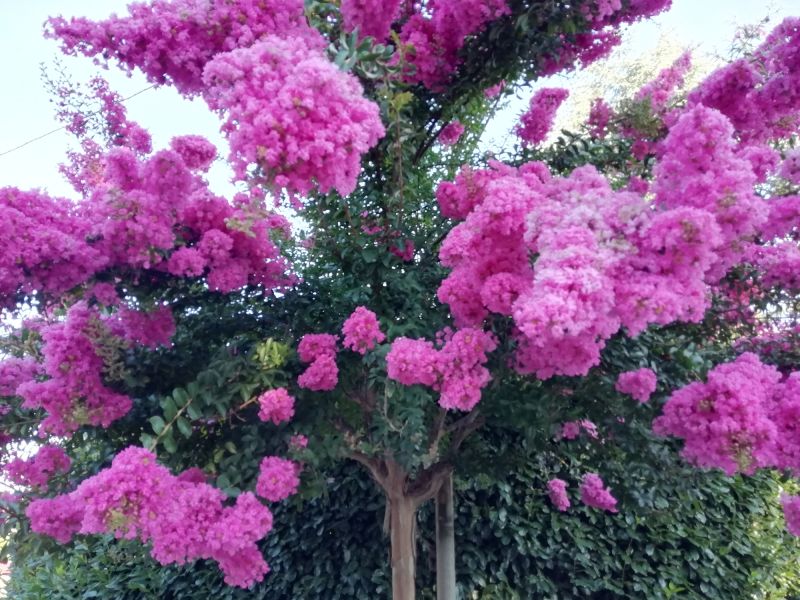
Crape Myrtle Pruning in Honolulu, HI
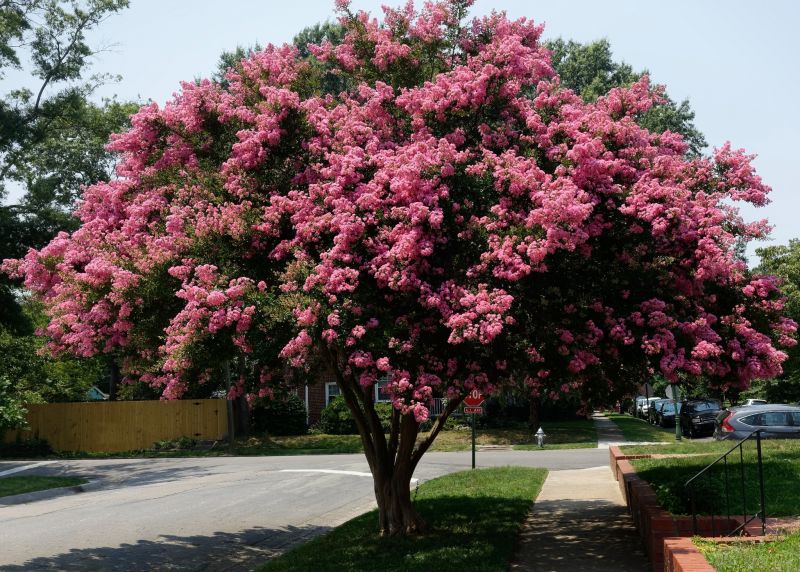
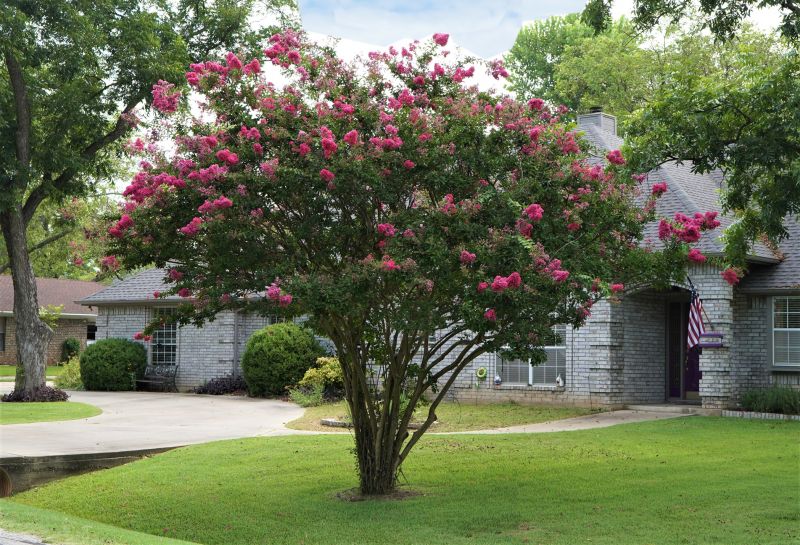
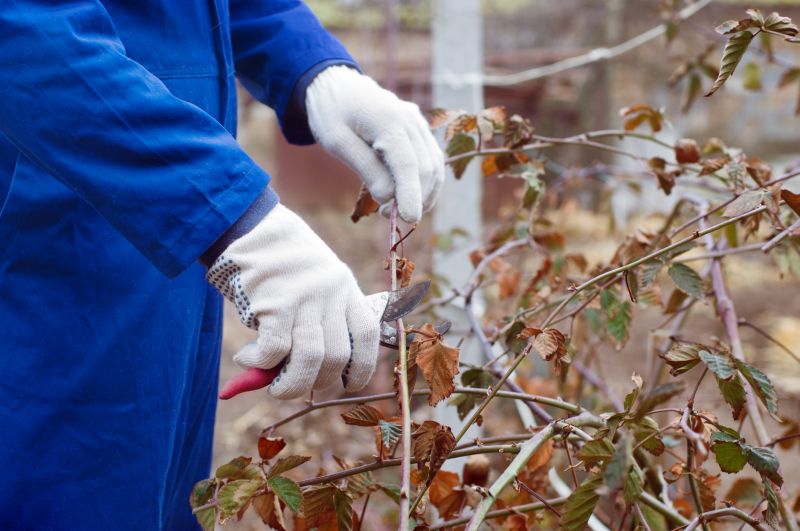
Crape Myrtle pruning services involve selectively trimming and shaping these ornamental trees to promote healthy growth, vibrant blooms, and an attractive appearance. The process typically includes removing dead or crossing branches, reducing excessive growth, and shaping the canopy to enhance the tree’s overall form. Property owners often request this service to maintain the aesthetic appeal of their landscape, prevent overgrowth that could interfere with structures or pathways, and encourage more abundant flowering during the blooming season.
Before requesting crape myrtle pruning, property owners usually want to understand the best timing for the service, which is generally during late winter or early spring before new growth begins. They may also inquire about the extent of pruning needed, whether shaping or thinning, and how to avoid damaging the tree’s natural form. Proper pruning techniques help ensure the health and longevity of the tree while achieving the desired visual effect, making it an important part of regular landscape maintenance.
Many property owners in Honolulu, HI look into Crape Myrtle Pruning for repairs, replacements, upgrades, and appearance-related improvements.
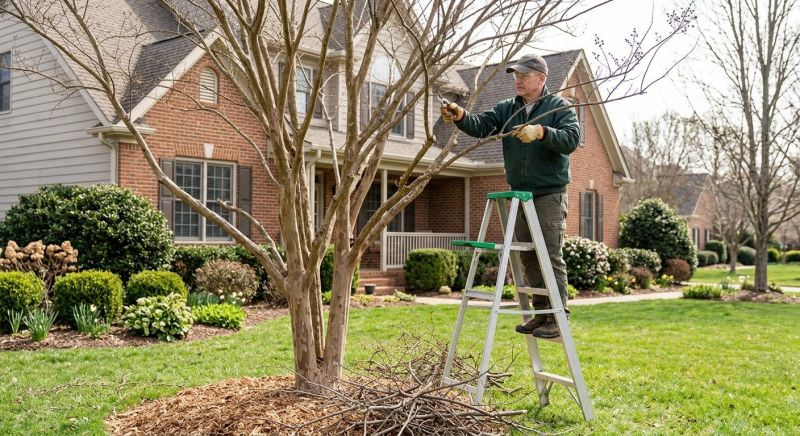
Crape Myrtle Pruning Benefits
Proper pruning encourages healthy growth and vibrant blooms for your landscape.
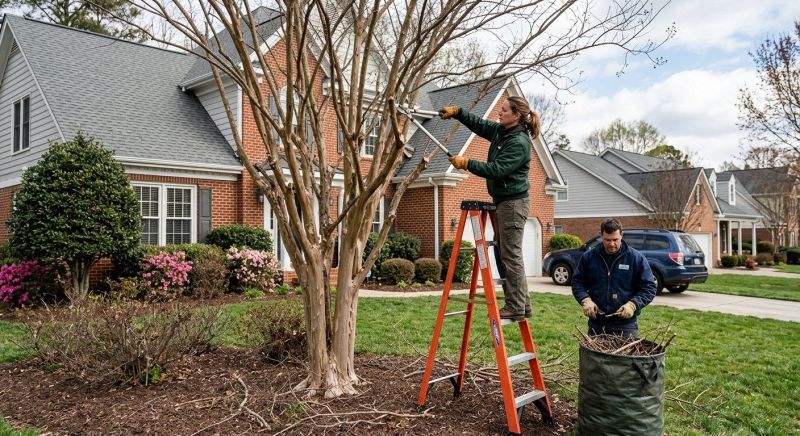
Pruning Techniques
Selective trimming helps maintain the shape and structure of crape myrtle trees.
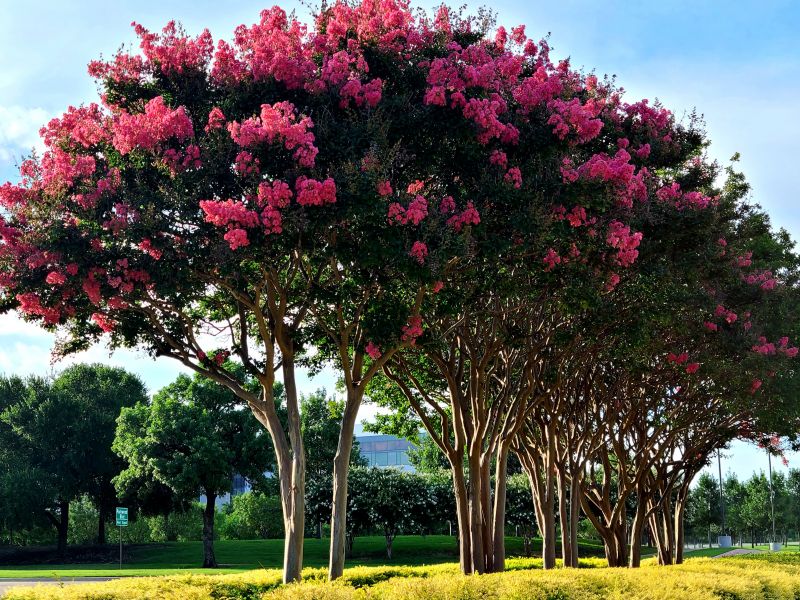
Maintenance Tips
Regular pruning can prevent disease and improve the longevity of your crape myrtle trees.
Crape Myrtle Pruning in Honolulu, HI

Crape Myrtle pruning services involve selectively trimming and shaping these ornamental trees to promote healthy growth, vibrant blooms, and an attractive appearance. The process typically includes removing dead or crossing branches, reducing excessive growth, and shaping the canopy to enhance the tree’s overall form. Property owners often request this service to maintain the aesthetic appeal of their landscape, prevent overgrowth that could interfere with structures or pathways, and encourage more abundant flowering during the blooming season.
Before requesting crape myrtle pruning, property owners usually want to understand the best timing for the service, which is generally during late winter or early spring before new growth begins. They may also inquire about the extent of pruning needed, whether shaping or thinning, and how to avoid damaging the tree’s natural form. Proper pruning techniques help ensure the health and longevity of the tree while achieving the desired visual effect, making it an important part of regular landscape maintenance.
Many property owners in Honolulu, HI look into Crape Myrtle Pruning for repairs, replacements, upgrades, and appearance-related improvements.
Common Crape Myrtle Pruning Jobs
Crape Myrtle Pruning Services - shaping and removing dead or overgrown branches to promote healthy growth.
Crape Myrtle Thinning - reducing density to improve airflow and reduce the risk of disease.
Crape Myrtle Training - guiding branch structure for better shape and stability.
Crape Myrtle Deadheading - removing spent flowers to encourage more blooms.
Crape Myrtle Height Reduction - trimming to control size and maintain landscape balance.
Crape Myrtle Maintenance - regular pruning to ensure vibrant, healthy trees year-round.
Crape Myrtle Pruning Questions
Why is pruning crape myrtle important? Proper pruning helps maintain healthy growth, promotes vibrant blooms, and shapes the tree for aesthetic appeal.
When is the best time to prune crape myrtle? The ideal time is during late winter or early spring before new growth begins.
What pruning techniques are recommended for crape myrtle? Techniques include removing dead or crossing branches and thinning the canopy to improve airflow and light.
Can pruning improve the overall appearance of a crape myrtle? Yes, regular pruning can enhance shape, remove unsightly branches, and encourage fuller, more attractive blooms.
Request Crape Myrtle Pruning in Honolulu, HI
Use the quote form on this page to share the basics of your project and request more information for the type of work you need.