Mimosa Tree Removal in Allentown, PA
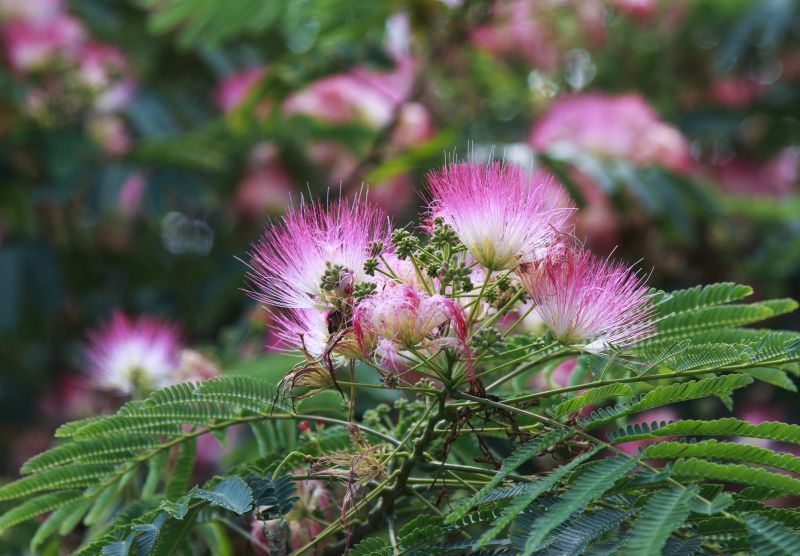
Mimosa tree removal services involve the safe and efficient elimination of mimosa trees that are damaged, diseased, or no longer desired on a property. These projects typically include removing mature trees that may pose safety hazards, obstruct views, or interfere with other landscaping plans. Property owners should consider factors such as the size and health of the tree, proximity to structures or power lines, and any local regulations or permits required before requesting removal services.
Homeowners often seek mimosa tree removal when the tree has become overgrown, shows signs of disease, or has suffered storm damage. It is important to understand the potential impact on the landscape and surrounding property, as well as the necessary steps for proper disposal or stump grinding afterward. Contacting professionals can help clarify the scope of work, ensure safety during the process, and address any questions about the removal procedure before proceeding.
Many property owners in Allentown, PA look into Mimosa Tree Removal for repairs, replacements, upgrades, and appearance-related improvements.
Reasons For Mimosa Tree Removal
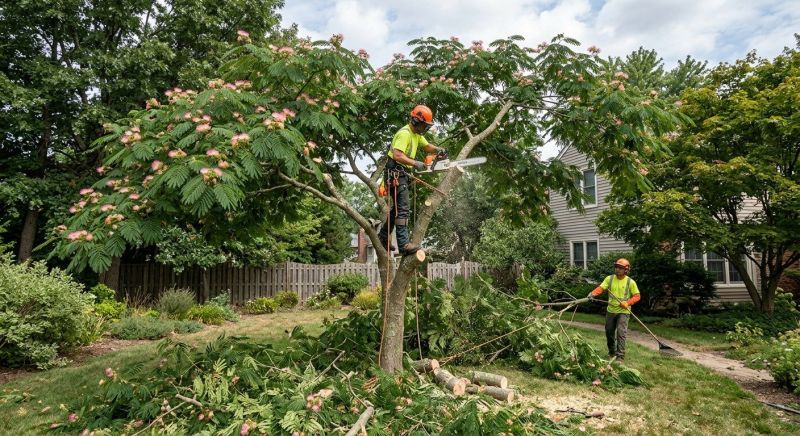
Removing a mimosa tree can prevent property damage and improve safety on your property.
Signs A Mimosa Tree Needs Removal
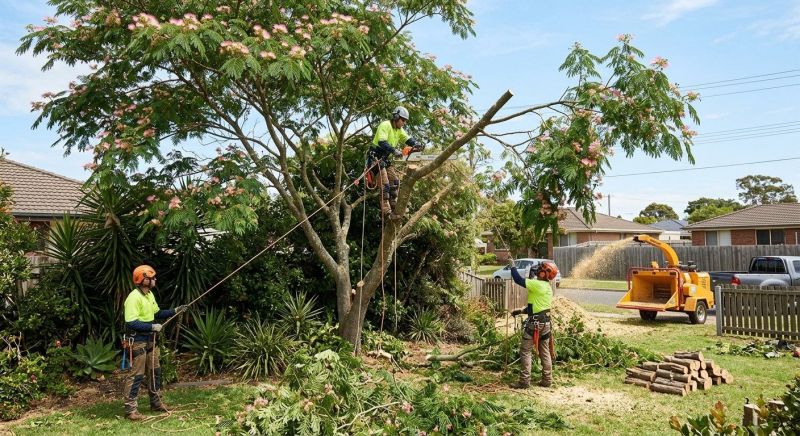
Health issues, structural instability, or proximity to structures are common reasons to consider removal.
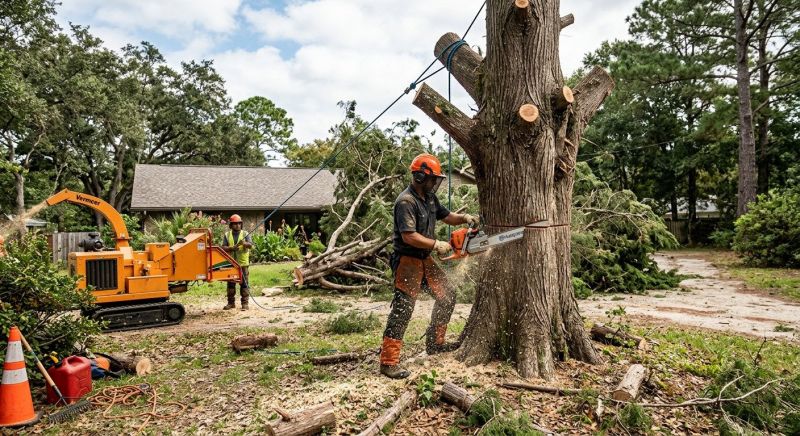
Mimosa Tree Removal Process
Professional removal involves careful planning to safely eliminate the tree and restore your landscape.
Mimosa Tree Removal in Allentown, PA

Mimosa tree removal services involve the safe and efficient elimination of mimosa trees that are damaged, diseased, or no longer desired on a property. These projects typically include removing mature trees that may pose safety hazards, obstruct views, or interfere with other landscaping plans. Property owners should consider factors such as the size and health of the tree, proximity to structures or power lines, and any local regulations or permits required before requesting removal services.
Homeowners often seek mimosa tree removal when the tree has become overgrown, shows signs of disease, or has suffered storm damage. It is important to understand the potential impact on the landscape and surrounding property, as well as the necessary steps for proper disposal or stump grinding afterward. Contacting professionals can help clarify the scope of work, ensure safety during the process, and address any questions about the removal procedure before proceeding.
Many property owners in Allentown, PA look into Mimosa Tree Removal for repairs, replacements, upgrades, and appearance-related improvements.
Common Mimosa Tree Removal Jobs
Mimosa Tree Removal - Safely removes overgrown or damaged trees to improve property safety.
Stump Removal - Eliminates tree stumps to prevent regrowth and maintain landscape appearance.
Hazard Tree Removal - Addresses trees that pose a risk of falling or causing damage during storms.
Selective Tree Thinning - Reduces tree density to promote healthier growth and better sunlight exposure.
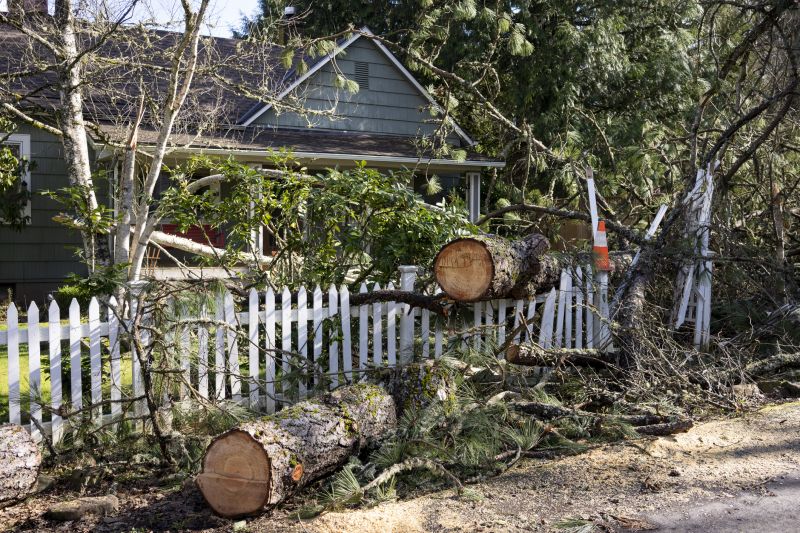
Emergency Tree Removal - Provides quick response for fallen or unstable trees after severe weather events.
Root Removal - Clears invasive roots that may threaten foundations or underground utilities.

Mimosa Tree Removal Questions
Why remove a Mimosa Tree? Removal may be necessary if the tree is damaged, diseased, or poses a safety risk to property or people.
When is the best time to remove a Mimosa Tree? The optimal time for removal is during dormancy, typically in late winter or early spring, to reduce stress on surrounding plants.
What should property owners consider before removing a Mimosa Tree? It’s important to assess the tree’s size, location, and potential impact on nearby structures or utilities before removal.
Does removing a Mimosa Tree require any permits? Permit requirements vary by location; it’s recommended to check local regulations before proceeding with removal.
Request Mimosa Tree Removal in Allentown, PA
Use the quote form on this page to share the basics of your project and request more information for the type of work you need.